Uncategorized

The Development and Importance of an Iconic Video Game Magazine Cover

### The Emergence of Console Gaming in the 2000s and the Influence of Electronic Gaming Monthly

The 2000s represented a crucial shift in the realm of console gaming, introduced by robust systems such as the PlayStation 2, Xbox, GameCube, and Dreamcast. This period not only enhanced the technical potential of video games but also witnessed a surge of printed media that bridged gamers with the swiftly changing industry. Among these outlets, *Electronic Gaming Monthly* (EGM) rose as a significant voice, highlighted by a distinctive cover showcasing the artwork of celebrated *Final Fantasy* artist Yoshitaka Amano.

#### The Cultural Significance of *Final Fantasy*

*Final Fantasy VII* had already laid the groundwork for the franchise’s global recognition, reaching players far beyond its Japanese roots. With the anticipated launch of *Final Fantasy X* on next-gen consoles, there was immense excitement regarding how improvements in graphics and processing abilities would rejuvenate the series. This enthusiasm positioned it as an ideal feature for gaming magazines, especially for EGM, which aimed to connect with the artistic preferences of its readers.

#### Engaging Amano for Artwork

Dan “Shoe” Hsu, the editor-in-chief of EGM at the time, envisioned an exclusive cover showcasing an original painting by Amano. However, securing permission from Square turned out to be a challenging endeavor, further complicated by the magazine’s budget restrictions. Hsu noted that the completed artwork came at a hefty price of $10,000, a stark deviation from the typically minimal budget set for cover designs. ZiffDavis, EGM’s publisher, unexpectedly approved the initiative, and Mielke, a significant contributor at EGM, took responsibility for managing the development of the remarkable cover.

The partnership with Amano produced a stunning piece incorporating gold leaf, although it presented challenges for EGM’s printing team to replicate its radiant effect accurately. Nonetheless, the resulting product held a captivating allure, eagerly awaited by subscribers.

#### A Miscommunication with Subscribers

The intention was for the Amano cover to primarily reach EGM subscribers, with only 25 percent distributed to retail outlets. This approach aimed to foster a sense of exclusivity reminiscent of the comic book boom of the ’90s. However, a communication error led the publisher to misinterpret the coverage distribution, causing the Amano edition to account for 25 percent of all covers, including those available in stores. This resulted in some discontent among subscribers who received the standard issue featuring prominent artwork of Yuna from the game.

In hindsight, while certain subscribers were dissatisfied with the unforeseen distribution, this “happy accident” turned out to be advantageous for EGM, significantly boosting sales and resulting in one of the magazine’s top-selling issues. The excitement surrounding the Amano cover even drew attention from digital media platforms like IGN, which reported on its success.

#### The Legacy of EGM and the Printed Gaming Press

Although the 2000s signified a key moment for gaming publications, the printed specialty press encountered obstacles in adapting to the digital era, culminating in EGM’s print run concluding in 2009. Its online branch, 1UP.com, ceased operations in 2013 as well. Nevertheless, EGM’s legacy endures, highlighted by a crowdfunded EGM anthology that amassed $1.7 million, showcasing the ongoing enthusiasm for the publication.

In recent times, Mielke has continued to make contributions to the gaming community, recently announcing a biography of *Final Fantasy* composer Nobuo Uematsu, while Amano remains active, creating variant covers for comic book publishers like DC. The absence left by the decline of the printed gaming press is profoundly felt, having provided a platform for discovery and artistic expression that current digital formats find challenging to replicate.

In conclusion, the 2000s not only marked a transformative chapter in console gaming but also underscored the significance of print media in influencing the cultural framework of gaming. The collaboration between EGM and Yoshitaka Amano serves as a testament to the creativity and passion that characterized this era, leaving a lasting impression on both gamers and creators.

Uncategorized

Tencent Closes Open World Game Studio Led by Former Assassin’s Creed Director

Tencent have reportedly shut down their TiMi Montreal studio, set up back in 2021 with the goal of creating multi-platform open world games. In those five years, the studio haven’t shipped any games, but had brought on former Assassin’s Creed creative director Ashraf Ismail. Ismail was reportedly fired by Ubisoft following an investigation into misconduct, with the developer having been accused of taking advantage of his status to engage in extramarital relationships.

Read more

Uncategorized

Groundbreaking Game Transforms ‘Puzzle Platformer’ Genre with Direct Interpretation

**Delving into the Creative Universe of “Piece by Piece”**

The indie gaming scene has experienced a wave of originality, especially with the emergence of “puzzle platformers.” An exceptionally imaginative addition to this category is *Piece by Piece*, crafted by Neon Polygons. Set within an engaging jigsaw puzzle environment, this game reshapes the conventions of classic platforming by weaving the very notion of puzzle assembly into its mechanics.

Right from the beginning, *Piece by Piece* familiarizes players with its distinct gameplay through a little king character who is ensnared in a jigsaw puzzle piece. The main focus revolves around linking various pieces, enabling the king to move across them. Yet, players soon discover that the challenges are anything but easy. The game immerses them in intricate scenarios that necessitate strategic planning and nimble control to overcome obstacles and barriers hindering the king’s progress.

The complete game, scheduled to launch on March 13, promises a wide-ranging collection of challenges that extend beyond the preliminary learning phase. Players will refine skills such as jumping from one puzzle piece to the next and timing their actions to prevent falling through openings. Just when players believe they have mastered the game, *Piece by Piece* introduces novel twists with new characters and their distinct abilities.

Importantly, players will guide a varied ensemble beyond just the king, which includes a princess who confronts unique puzzles that test the conventional fitting of jigsaw pieces. Furthermore, there’s an alien who can generate portals between linked pieces and a drill character that penetrates barriers. The combination of these characters enhances the complexity of the puzzles, presenting increasingly elaborate brainteasers that require both analytical thinking and swift reflexes.

The currently available demo features 13 puzzles that showcase a range of gameplay mechanics, offering an enticing preview of what the complete game has to offer. While these early challenges may not pose a significant threat to experienced players, they effectively demonstrate the vast potential of *Piece by Piece*.

As players progress through the game, they will come across elements like magic tiles that duplicate pieces, two-sided tiles that can be flipped, and rotating pieces that introduce additional layers of complexity to puzzles. The game’s difficulty ramps up methodically, ensuring that players stay captivated with progressively tougher challenges that keep them returning for more.

In conclusion, *Piece by Piece* is a groundbreaking puzzle platformer that utilizes the distinctive format of jigsaw puzzles to deliver a rich gaming experience. With its intelligent design and multi-dimensional gameplay, it distinguishes itself in the competitive indie game arena. For those who find the demo appealing, it is strongly advised to add the game to your wishlist and get ready for an exhilarating journey through its vibrant, intellectual universe upon its full launch.

Uncategorized

“Slay The Spire 2: The Fresh ‘Silksong’ as Indie Games Delay Launches to Sidestep Rivalry”

**The Effect of *Slay the Spire 2* on the Indie Gaming Landscape: A Wave of Delays and Tactical Launches**

On February 19, 2024, the team at Mega Crit revealed the much-anticipated launch date for *Slay the Spire 2*: March 5, 2024. Recognized as one of the leading roguelike deckbuilders, the original game’s triumph has established a formidable benchmark, making the sequel’s debut a pivotal moment for both fans and game developers within the industry. Nevertheless, this announcement has ignited anxieties among indie developers who worry about being eclipsed by this gaming powerhouse during an exceptionally busy release period.

One of the most significant responses came from the developers of *Handmancers*, a roguelike deckbuilder created by 58BLADES. Initially scheduled to debut during the Turn-Based Thursday Fest, commencing on March 6, the devs prudently opted to postpone their game, recognizing that vying against *Slay the Spire 2* the day before the festival would be an imprudent move. In a sincere post on social media, they remarked, “Yea…we’d get absolutely crushed.”

Another title impacted is *Mini Tank Mayhem*, a tower defense and deck-building strategy game from Algorocks. Although the developers have not openly attributed their recent delay to *Slay the Spire 2*, the timing certainly raises questions, as their release was moved from March 3, 2024, to April 29, 2024, shortly following the debut of *Slay the Spire 2’s* latest trailer.

In a curious strategic adjustment, SchuBox Games, the creators of *Omelet You Cook*, had the foresight to modify their plans early. In January, they moved their game’s launch forward to avoid the unavoidable distraction presented by *Slay the Spire 2*. Co-developer Dan Schumacher commented in an interview that they foresaw streamers and gamers focusing on the sequel, leaving scant opportunity for their own game to attract attention.

Other developers, such as Bermrad, responsible for the hack-and-slash roguelite *Trials of Valor*, found themselves in a dilemma when they announced their release on the same date as *Slay the Spire 2*. The prominence of *Slay the Spire 2* has left many indie studios feeling the need to reassess their launch timings. While Bermrad expressed belief that their game encompasses distinct features, they still confront the challenge of sharing the limelight with such a prominent title.

Interestingly, some studios are opting to harness the increased visibility instead of retreating from it. ThunderRam Studios, the developers behind *Grimslair*, chose to firmly maintain their March 6 release, asserting their desire to be part of the discussion rather than retreating until the excitement diminishes. Similarly, Fishagon, working on the party card game *Vice Versa*, humorously borrowed the announcement style from *Handmancers* to promote their own game’s upcoming release.

The trend of indie games capitalizing on the momentum of major launches isn’t a novel concept. The creators of *Adventure of Samsara* found themselves in a challenging situation last year when they released alongside *Silksong*, leading to an unfavorable outcome. For numerous indie developers, being eclipsed by a titan like *Slay the Spire 2* can seem like an insurmountable obstacle.

Conversely, some developers have seized the chance to afford themselves more development time, exemplified by Chugga Chugga LLC with their game *Slumber Realm*, which they disclosed won’t be ready to compete with *Slay the Spire 2*. They recognized that investing extra time into development could ultimately result in a more refined product with a warmer reception.

The launch of *Slay the Spire 2* signifies not only a crucial moment for Mega Crit but also provides broader insight into the indie development scene. As creators navigate the intricacies of release timelines, the influence of one game can send ripples through the industry, affecting strategies, choices, and ultimately the viability of other titles in a competitive marketplace. As March 5 draws near, all attention will be on *Slay the Spire 2*—and the decisions made by other developers in its aftermath.

Uncategorized

Explore a Vibrant, Comic Book-Inspired World of Seashells and Ancient Machines While Pursuing Your Clone

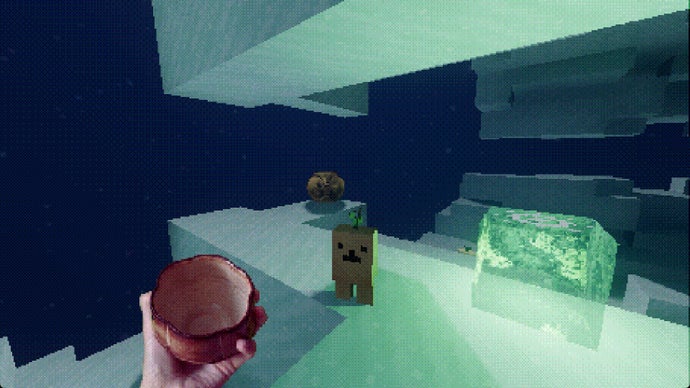
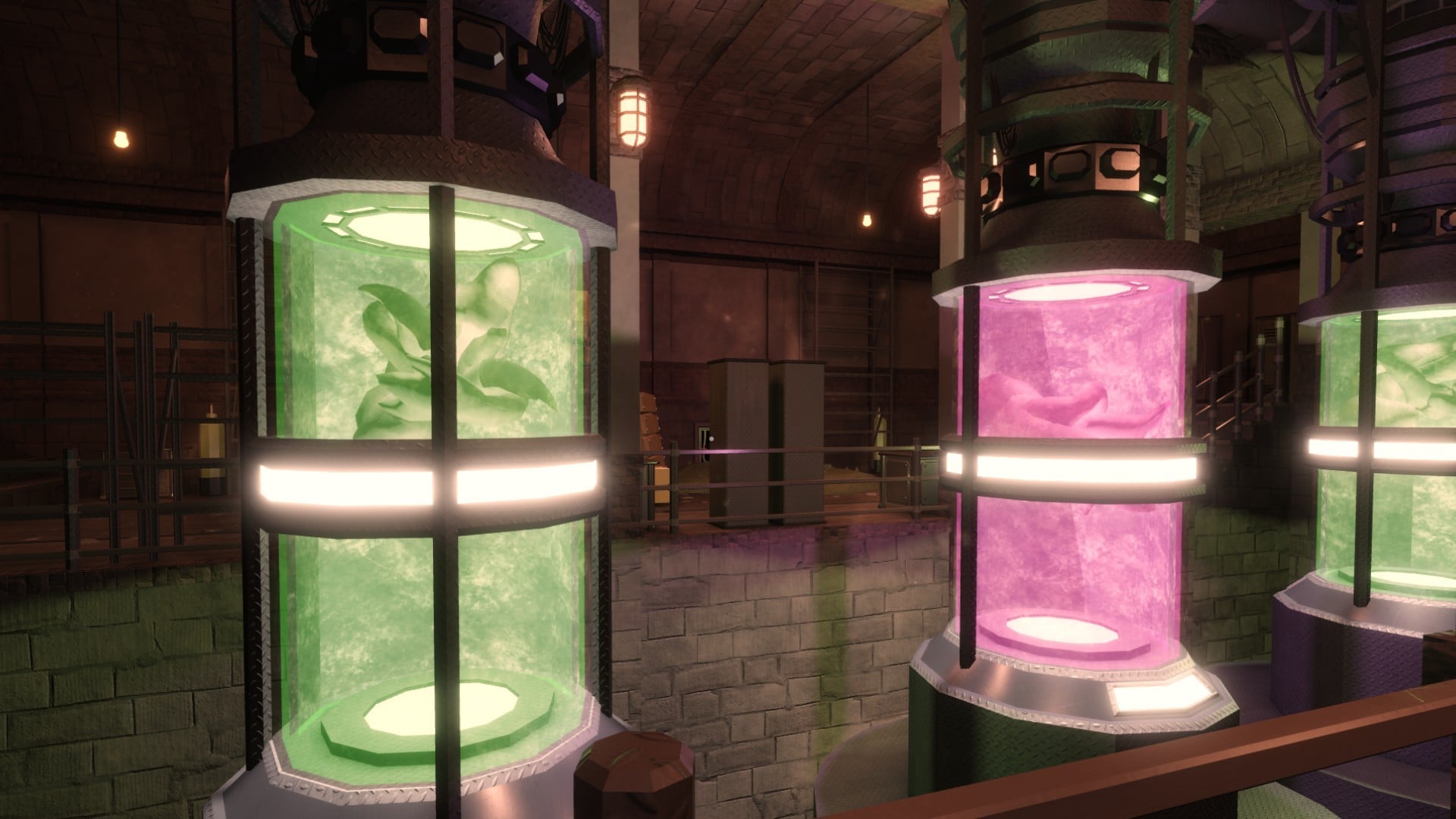
Helix: Descent N Ascent sounds like it should be a mascot platformer starring a jaunty DNA molecule with floating Rayman hands, whose special power is making stuff go up and down. Up and down the evolutionary ladder, even! A platform game in which you can evolve and devolve your character at will, to solve different puzzles? Good lord, we’ll make one million dollars out of this! Somebody get me the CEO of Midway.

Alas for my career prospects, Midway is no more. And Helix is not a mascot platformer, probably to its benefit. As revealed by the new Steam demo, it’s a slow and atmospheric puzzler in which you investigate a fallen civilisation, while chasing your doppelganger. You being a lanky Area-51-looking lad, who acquires paranormal powers and must weave them into solutions for terrain puzzles of the Pressure Plate N Lever variety.

Read more

Uncategorized

Previous Leaders of Assassin’s Creed Black Flag and Origins Assume Control of Franchise

**Ubisoft Introduces New Leadership for the Assassin’s Creed Franchise**

Just four months following the surprising exit of former leader Marc-Alexis Côté, Ubisoft has reinstated its leadership for the esteemed franchise, *Assassin’s Creed*. Côté departed amidst accusations of being ousted, and Ubisoft has now tasked three experienced veterans of the series with steering its future under Vantage Studios, supported by Tencent.

On February 23, Ubisoft declared that Martin Schelling, Jean Guesdon, and François de Billy will assume crucial positions in reshaping *Assassin’s Creed*, a franchise that has seen remarkable success in the historical open-world action category. Each leader possesses extensive expertise, having played key roles in some of the franchise’s most acclaimed titles over the years.

**Defined Leadership Roles**

Martin Schelling has taken on the role of head of the *Assassin’s Creed* brand. He is charged with overseeing the franchise’s comprehensive strategy and long-term vision. With a distinguished background as Ubisoft’s chief production officer, Schelling’s 17 years of experience encompass essential production roles on *Assassin’s Creed Revelations*, *Black Flag*, *Origins*, and *Valhalla*.

François de Billy has been named the “Head of Production Excellence.” This ambitious designation reflects his duty to enhance production processes and mitigate any friction within complex workflows. De Billy’s ties to the franchise include serving as production director on *Black Flag*, *Origins*, and *Valhalla*, alongside his positions as executive producer and associate producer on *Assassin’s Creed 2*.

Jean Guesdon returns as the head of content for *Assassin’s Creed*, taking charge of the franchise’s creative direction while aiding individual game development. Having previously been the creative director on *Black Flag* and *Origins*, Guesdon’s familiarity with the franchise is extensive. He momentarily left Ubisoft for Behaviour Interactive in 2023, where he contributed to a promising but ultimately shelved project called “Renaissance,” a voxel-based game reminiscent of *Minecraft*.

**Navigating a Transitioning Phase**

The appointments of Schelling, de Billy, and Guesdon fill a leadership void left by Côté’s exit after nearly 20 years. Côté is reportedly engaged in litigation against Ubisoft for an allegedly forced dismissal, although the company asserts that he was offered a leadership position at Vantage Studios, which he declined.

Ubisoft’s leadership seems eager to sustain the popularity and expansion of *Assassin’s Creed*, particularly as the franchise has faced challenges in delivering a coherent meta-narrative and timely releases in recent times. Plans to link future installments within a larger framework have yielded mixed outcomes.

The franchise’s latest installment, *Assassin’s Creed Shadows*, has emerged as a considerable success, providing essential support to Ubisoft as it faced financial struggles leading to a significant buyout by Tencent.

**Upcoming Projects in Progress**

As part of the reorganization, Ubisoft has several *Assassin’s Creed* projects in the works, including both multiplayer and single-player experiences. A notable remake of the cherished *Black Flag* is among the projects being developed.

Ubisoft’s shift to Vantage Studios and partnerships enhanced by its Tencent collaboration indicate a committed effort to revitalize its most cherished franchises. This restructuring not only aims to improve operational efficiency but also reinforces its dedication to fostering creative storytelling and captivating gameplay within the *Assassin’s Creed* universe.